
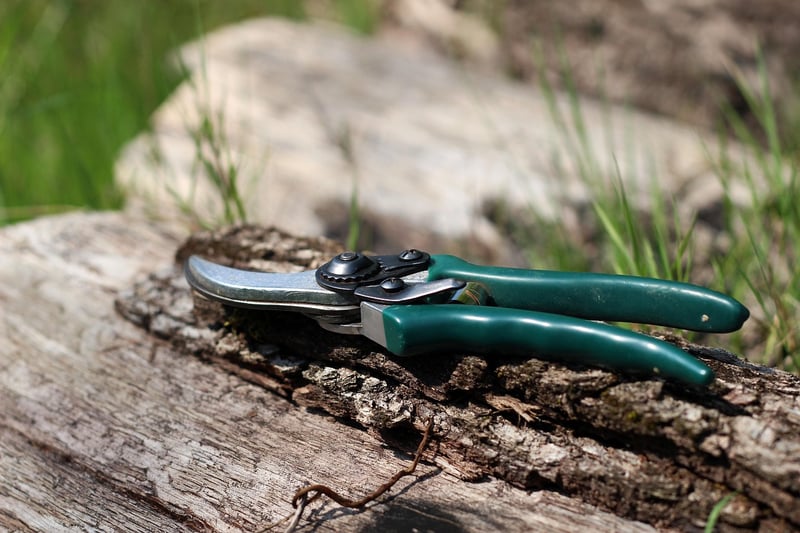
Guidance for Healthy Plants and Pruning Techniques
Introduction
Welcome to our guide on maintaining healthy plants and mastering the art of pruning. Whether you're a gardening enthusiast or just starting out, understanding the basics of plant care and pruning techniques is essential for promoting growth and vitality in your green space.
Healthy Plants Care
Healthy plants are the foundation of a thriving garden. Here are some tips to ensure your plants stay in top condition:
1. Adequate Watering
Water your plants regularly, ensuring they receive the right amount of water based on their specific needs. Overwatering or underwatering can lead to stress and diseases.
2. Proper Sunlight
Place your plants in locations where they can receive adequate sunlight. Different plants have varying light requirements, so make sure to understand the needs of each species.
3. Nutrient-Rich Soil
Use quality soil or add fertilizers to provide essential nutrients to your plants. Healthy soil promotes strong root development and overall plant health.
Pruning Techniques
Pruning is a vital practice that helps maintain plant shape, improve flowering, and remove diseased or dead parts. Here are some common pruning techniques:
1. Deadheading
Remove dead flower heads to encourage new growth and prolong the blooming period of your plants.
2. Thinning
Thin out overcrowded branches to enhance air circulation and light penetration, promoting overall plant health.
3. Heading Back
Heading back involves cutting back a portion of a branch to promote bushier growth and maintain the plant's shape.
Conclusion
By following these tips for caring for your plants and mastering pruning techniques, you can ensure a vibrant and flourishing garden. Remember that each plant species may have specific requirements, so always research and understand the needs of your plants to provide them with the best care possible.